बांध का भराव कैसे नापा जाता है ?
हम न्यूज़ में अक्सर देखते हैं कि उक्त बांध इतने आरएल मीटर भर गया है या उक्त बांध की क्षमता इतने टीएमसी है।

आरएल मीटर क्या होता है?
आईये आज हम बांध या जलाशय के भराव की इन इकाइयों के बारे में आप को बताते हैं। सबसे पहले बांध की ऊर्ध्वाधर ऊंचाई का नाप जो अक्सर फिट या मीटर में होता है, यह आरएल यानी रिड्यूस्ड लेवल में नापा जाता है रिड्यूस्ड लेवल का तात्पर्य तुलनात्मक ऊंचाई से है। अतः बांध की ऊंचाई को किसी एक ज्ञात और आधार ऊंचाई से तुलना करके निकाला जाता है। आधार ऊंचाई सामान्यतया समुद्र तल से औसत ऊंचाई को माना जाता है। जैसे किसी बांध का जल स्तर 310 आरएल मीटर है इसका तात्पर्य है कि बांध के पानी का स्तर समुद्र तल से 310 मी ऊपर है ना कि वहां के धरातल से।
वही दूसरी ओर छोटे बांधों का भराव सामान्यतया वहां के धरातल से ऊंचाई के रूप में नापा जाता है जैसे कोई छोटा बांध या जलाशय जिसका जलस्तर 6.2 मीटर है इसका तात्पर्य है कि बांध का जलस्तर वहां के धरातल से 6.2 मीटर ऊपर हैं इसे फिट में भी नापा जाता है। उपरोक्त दोनों आरएल मीटर और मीटर पानी के स्तर की ऊर्ध्वाधर ऊंचाई की इकाइयां है।
बांध के भराव आरएल मीटर अर्थात रिड्यूस्ड लेवल का संदर्भ तल समुद्र तल से माना जाता हैं समुद्र तल और समुद्र तल से ऊंचाई के बारे में हमारा विस्तृत आर्टिकल लिंक पर क्लिक करके पढ़ें।
टीएमसी क्या होता है?
आईये अब बांध के भराव की एक और इकाई की बात करते हैं जिसे टीएमसी में नापा जाता है टीएमसी की फुल फॉर्म थाउजैण्ड ;1000 मिलियन क्यूबिक फीट होता है एक टीएमसी 2831करोड़ लीटर पानी के बराबर होता है। यह एक आयतन की इकाई है बांध में या किसी भी जलाशय में पानी की वास्तविक मात्रा आयतन में ही व्यक्त की जा सकती है क्योंकि ऊंचाई के साथ बांध का पृष्ठीय क्षेत्रफल अरेखीय रुप से बढ़ता है जिससे कि जल स्तर से पानी की मात्रा ;आयतन का आकलन गलत हो सकता है। सामान्यतया बांध के ऊपरी 20ः भाग ऊंचाई में कुल क्षमता आयतन का 80ः भाग होता है।
क्यूसेक क्या होता है?
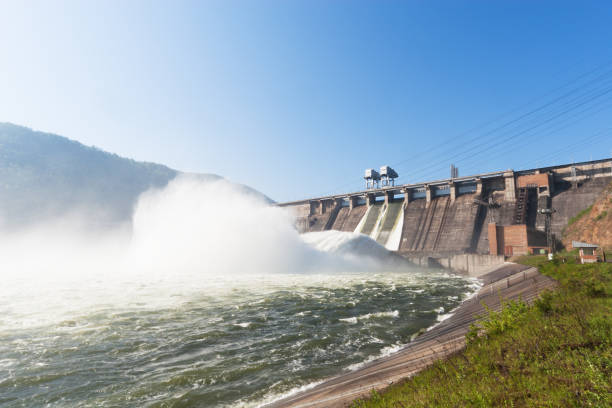
आईए जानते हैं पानी को नापने की एक और इकाई के बारे, जिसे अक्सर हम वर्षा काल के दौरान न्यूज़ में देखते हैं यह इकाई हैं क्यूसेक। क्यूसेक पानी अथवा तरल पदार्थ के प्रवाह को नापने की इकाई है जिसे अक्सर किसी बांध से छोड़े जाने वाले या निकालने वाले पानी की मात्रा को नापा जाता हैं।
आईए समझते हैं क्यूसेक क्या अर्थ होता है?
एक क्यूसेक एक घन फुट प्रति सेकंड बराबर होता है। अर्थात यह एक आयतन को इकाई समय में नापने की इकाई है। कोई एक टैंक जिसकी अंदर से लंबाई चौड़ाई और ऊंचाई तीनों एक-एक फिट है तो यह एक घन फुट कहलाता है। एक घन फुट में 28.317 लीटर पानी आता है। अगर एक सेकंड में एक घन फुट पानी अर्थात 28.317 लीटर पानी बहता है या छोड़ जाता है तो इसे हम एक क्यूसेक कहते हैं। अर्थात अब हम समझ सकते हैं कि किसी बांध से जब पानी छोड़ा जाता है तो यह कहा जाता है कि इतने क्यूसेक पानी छोड़ा गया।
बांध या जलाशय से छोड़े गए पानी जिसका नाप क्यूसेक में है इसको समय से गुणा करके छोड़े गए कुल पानी के आयतन को निकाला जा सकता है जैसे किसी बांध से 300 क्यूसेक पानी 24 घंटे के लिए छोड़ा जाता है तो छोड़े गए पानी के कुल आयतन की गणना इस प्रकार की जाती हैं 300x24x3600(क्योंकि 1 घंटे में 3600 सेकंड होते हैं) =2,59,20,000 लीटर
यह भी जानिए-
25 डिग्री सेल्सियस पर जल का घनत्व 0.9970 ग्राम/सेमी3 होता है। कमरे के तापमान पर, जो लगभग 20-25 डिग्री सेल्सियस होता है, पानी का घनत्व लगभग 0.99 ग्राम/सेमी3 होता है। जल 4 डिग्री सेल्सियस पर सर्वाधिक सघन होता है, जहां इसका घनत्व 1 ग्राम/सेमी3 अर्थात 1000 लीटर/घनमीटर होता है।
Read in English
How is the filling of a dam measured?
How is the filling of a dam measured? We often see in the news that the said dam has been filled by so many RL meters or the capacity of the said dam is so many TMC.
What is RL meter?
Let us tell you today about these units of filling of a dam or reservoir. First of all, the measurement of the vertical height of the dam, which is often in feet or meters, is measured in RL i.e. reduced level. Reduced level means comparative height. Therefore, the height of the dam is calculated by comparing it with a known and base height. The base height is generally considered to be the average height above sea level. For example, the water level of a dam is 310 RL meters, which means that the water level of the dam is 310 m above sea level and not from the surface there.
On the other hand, the filling of small dams is generally measured in terms of height from the surface, such as a small dam or reservoir whose water level is 6.2 meters, it means that the water level of the dam is 6.2 meters above the surface. It is also measured in feet. Both the above RL meter and meter are units of vertical height of the water level.
The reference level of the dam’s filling RL meter i.e. reduced level is considered to be sea level. Read our detailed article about sea level and height from sea level by clicking on the link.
What is TMC?
Let us now talk about another unit of dam filling which is measured in TMC. The full form of TMC is Thousand; 1000 Million Cubic Feet. One TMC is equal to 2831 crore liters of water. It is a unit of volume. The actual quantity of water in a dam or any reservoir can be expressed in volume only because the surface area of the dam increases non-linearly with height, due to which the estimation of the quantity of water (volume) from the water level can be wrong. Generally, the upper 20% height of the dam contains 80% of the total capacity volume.
What is a cusec?
Let us know about another unit of measuring water, which we often see in the news during the rainy season. This unit is cusec. Cusec is a unit of measuring the flow of water or liquid, which is often used to measure the amount of water released or taken out from a dam.
Let us understand what cusec means?
One cusec is equal to one cubic foot per second. That is, it is a unit of measuring a volume in unit time. If a tank whose length, width and height are one foot each from inside, then it is called a cubic foot. One cubic foot contains 28.317 liters of water. If one gun foot of water i.e. 28.317 liters of water flows or is released in one second, then we call it one cusec. That is, now we can understand that when water is released from a dam, it is said that so many cusecs of water was released.
The water released from a dam or reservoir, which is measured in cusecs, can be multiplied by time to find out the volume of the total water released. For example, if 300 cusecs of water is released from a dam for 24 hours, then the total volume of water released is calculated as follows 300x24x3600 (because there are 3600 seconds in 1 hour) =2,59,20,000 liters.
Also know this-
The density of water at 25 degrees Celsius is 0.9970 grams/cm3. At room temperature, which is about 20-25°C, the density of water is about 0.99 g/cm3. Water is densest at 4°C, where its density is 1 g/cm3 or 1000 liters/cubic meter.

 Dhakad blogs
Leave a comment